Leaving your pet rats in someone else’s care—whether for a weekend get away or an extended trip—takes careful planning. Rats are intelligent, sensitive creatures with unique needs that even experienced pet sitters may not know.
Whether your sitter is a seasoned rat owner or new to caring for rats, it’s important to review your rats’ daily routine, health needs, and habits to ensure they stay happy and healthy while you’re away.
To make preparation easy, I’ve created a Pet Rat Sitter Checklist you can download and print. This checklist covers everything your rat sitter needs to know and have on hand while caring for your rats.
Health & Behavior: What’s Normal and What’s Not
Even if your sitter is familiar with rats, rats have subtle signs of illness that are easy to miss. Make sure your rat sitter knows what’s normal for your rats—and what’s not.
Recognizing Emergencies
Share this list of symptoms that require immediate veterinary attention:
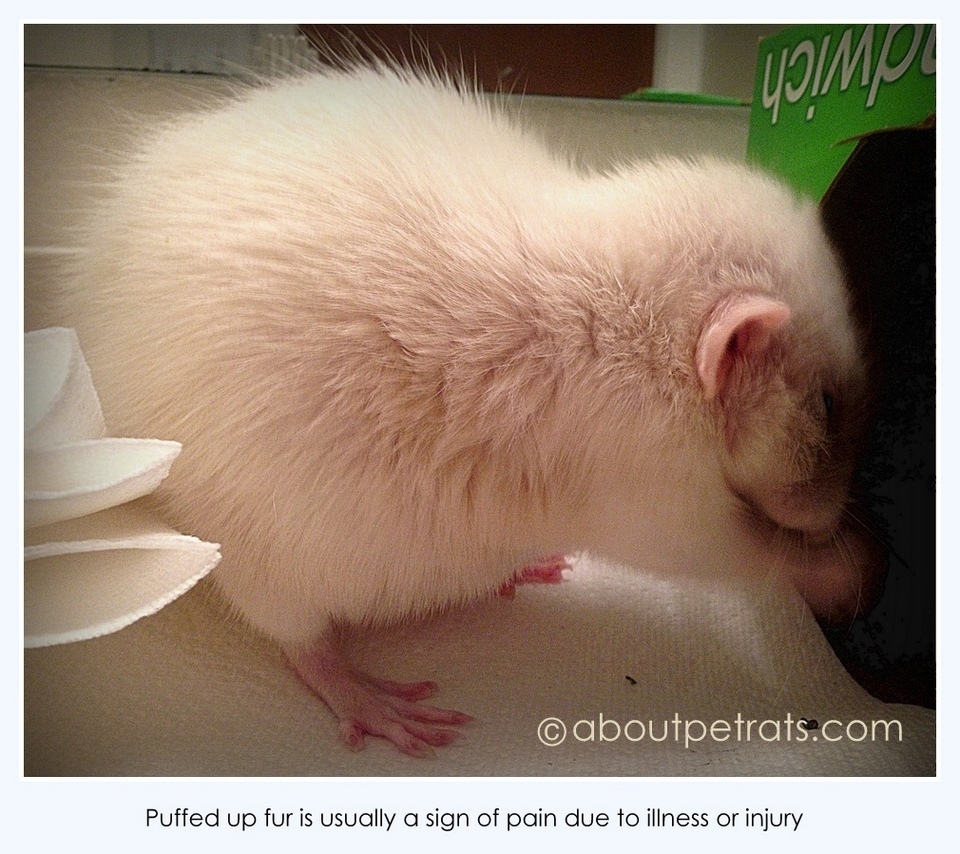
- Puffed up fur – Can be mistaken as “fluffy” or “cute”. However, this usually indicates pain, illness, or injury.
- Noisy breathing – Clicking, wheezing, or any respiratory sounds are signs of respiratory distress, not rat “talking.”
- Excessive sneezing
- Lethargy – Not moving or appearing very sluggish.
- Loss of appetite – Not eating or drinking.
- Porphyrin – Reddish discharge around the eyes or nose that looks like blood; often a sign of stress or illness.
- Eye issues – Squinting, closed eye, or discharge. Eye problems require prompt care to preserve vision.
➡️ For more, see: When to See a Veterinarian
What’s Normal for Your Rats?
Help your sitter recognize your rats’ healthy baseline behaviors:
- Eating habits – What do they eat? How much? Include foods to avoid (see: Dangerous Foods).
- Activity levels – Are they playful? Cautious? Sleepy during the day?
- Playtime – Do they get daily out-of-cage time? Where do they like to play?
- Chewing tendencies – Do they chew bedding, furniture, or certain objects?
- Bathroom habits – Normal stool consistency and urination patterns.
- Medical needs – Any ongoing treatments or health issues to monitor?
- Unique behaviors – If needed, educate your sitter on normal but unfamiliar rat behaviors like:
- Bruxing (gentle teeth grinding, a sign of contentment)
- Boggling (eyes bulging rhythmically, often accompanies bruxing)
Veterinary Care Plan
Before leaving, discuss your preferences for veterinary care:
- Preferred vet clinic – Provide name, address, and phone number.
- Emergency vet – Share contact info for an after-hours or emergency clinic.
- Decision-making – Should your sitter contact you first or act immediately?
- Budget – Let them know any spending limits or if you’ve pre-approved treatment.
Pro Tip: Leave a signed note authorizing your sitter to seek veterinary care. Contact your rats’ primary vet to find out if they have a release form that allows you to grant medical care and decisions to your pet sitter. Let them know ahead of time your travel dates and your pet sitter’s name and contact information. For emergency veterinary care, here is a generic release form that can be helpful to use for emergency veterinary care.
Daily Care Routine
Keeping your rats on their normal routine helps reduce stress and keeps them healthy. Go over these essentials with your sitter:
Feeding
- Food list – What to feed and how much.
- Forbidden foods – Highlight toxic or unsafe foods (see: Dangerous Foods).
- Treats – What’s okay as an occasional reward?
Cleaning
- Cage cleaning schedule – Spot cleaning vs. full cleaning.
- Garbage disposal – Where to throw out waste safely.
Water Bottles
- Remind your sitter to change your rats’ water bottles daily and ensure they’re working properly.
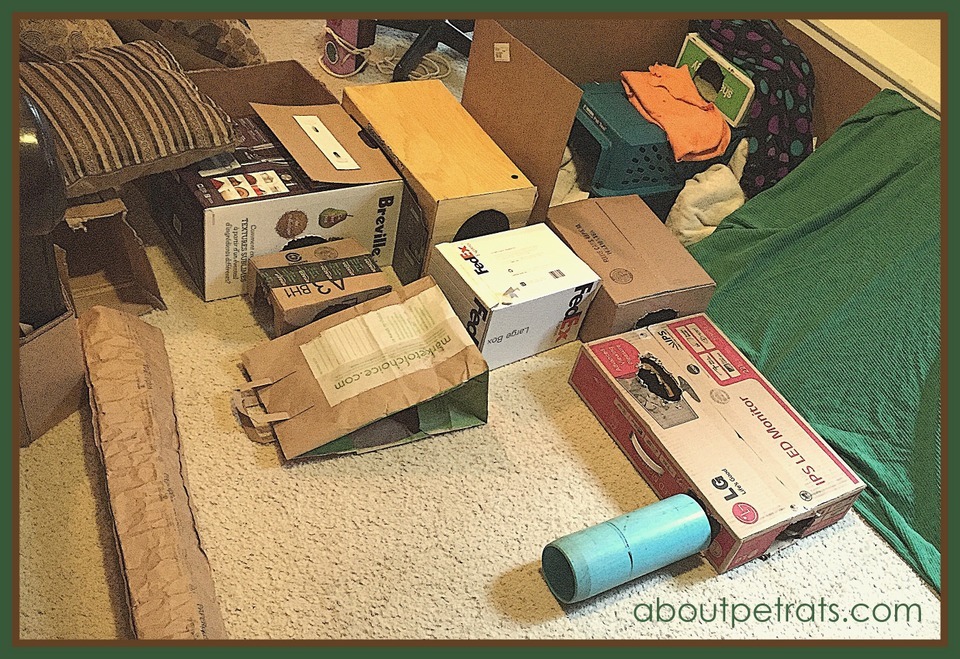
Playtime and Enrichment
Let your sitter know how your rats like to play:
- Where they play – A rat-proofed room or specific area.
- Favorite toys or games – Hide-and-seek, digging boxes, tunnels, etc.
- How long – How much out-of-cage time do they usually get?
Encouraging your sitter to maintain the usual play routine helps your rats feel safe and secure.
Special Considerations
Every rat is different. Share anything unique about your rats:
- Personality quirks – Shy, bold, cuddly, independent?
- Room-proofing tips – Items to remove or protect.
- Handling preferences – Do they like being picked up or prefer coming to you?
Download the Pet Rat Sitter Checklist
To help make everything easy and stress-free, I’ve created a Pet Rat Sitter Checklist that covers all of the above in a simple, printable format. Give it to your sitter before you leave—it’s the perfect companion to this guide.
In Appreciation of Rat Sitters
Where would we be without our wonderful rat sitters? They give us peace of mind and make travel possible—even when our beloved rats can’t travel with us.
With a little preparation, you can ensure your rats receive excellent care while you’re away, and your sitter feels confident and well-informed.



I’m always learning new things when I come to your page. Thank you for sharing. :)
Thanks, Lindsay!
Very interesting! I didn’t know about puffed up fur being a symptom of pain or illness in rats. That is a unique trait not shared with cats or dogs. I wonder if hamsters, gerbils, or guinea pigs are that way.
Birds often get puffed up while they sleep in order to stay warmer. If they’re awake and puffed up it usually means they’re sick or, at the very least, they’re cold.
Thanks for stopping by, Robin!
That’s interesting about the puffed up fur. We have a rabbit, cats, and a dog and it’s tricky to find a pet sitter that knows about all three!
I agree it’s tricky to find a pet sitter already knowledgeable about several types of pets. I hope you’ve found a great pet sitter for your cats, dog and rabbit. We have a great sitter for our cats and I prefer taking road trips whenever I can so I can bring my rats with me.
I don’t think I would be a great rat sitter – I knew none of the answers. Puffed hair? that was not anything I would have even thought to be a sign of distress. Very interesting stuff here…
I think you’d be an excellent rat sitter, Cathy! You don’t need to know all the answers in advance, but instead need to have the love of learning about animals which you certainly have. ♥